Home / Resources / Article
Best Siding for Coastal Homes
What to consider when selecting siding for fog, salt air, wind-driven rain, and coastal moisture.
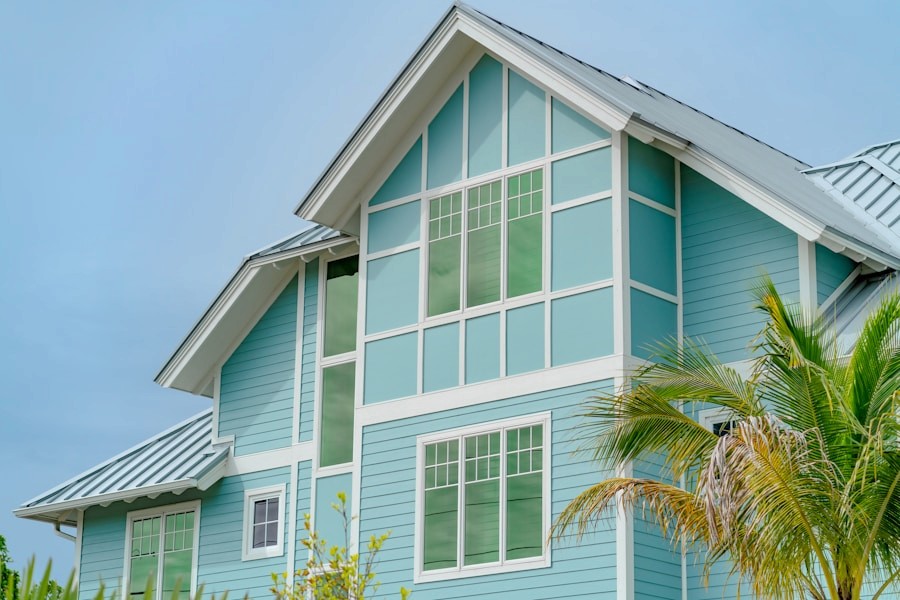
Siding priorities for coastal homes
Coastal homes need siding assemblies that can handle fog, salt air, wind-driven rain, sun, and repeated wet-dry cycles. The siding product matters, but the installation details around windows, trim, decks, and penetrations matter just as much.
Details that protect the wall
Proper clearances at grade, roofs, decks, and hardscape.
Layered flashing so water sheds outward instead of behind the cladding.
Durable trim, sealed cut edges, and correct fastener patterns for the selected product.
VTV approaches coastal projects as a full exterior system. Before siding goes on, the team looks for moisture entry points, dry rot, window flashing issues, and attachments that could compromise the new assembly.
Why product choice alone is not enough
A premium siding product can still fail early if water is trapped behind it. Coastal homes need a full wall assembly that includes the weather barrier, flashing, trim, drainage, penetrations, and finish schedule. Details around decks, roof-to-wall transitions, hose bibs, vents, and windows should be planned before installation starts.
Maintenance planning for coastal exposure
Homeowners should plan for periodic washing, inspection of caulk joints, paint or finish maintenance, gutter performance, and vegetation clearance. Keeping water moving away from the home is one of the simplest ways to protect siding investment in foggy or salt-air environments.